
-20%

Domain-Specific Content Generator

0 Orders 0 Wish listed

₹4,999.00

Qty
Total price:
  ₹4,999.00

Detail Description

1. Abstract

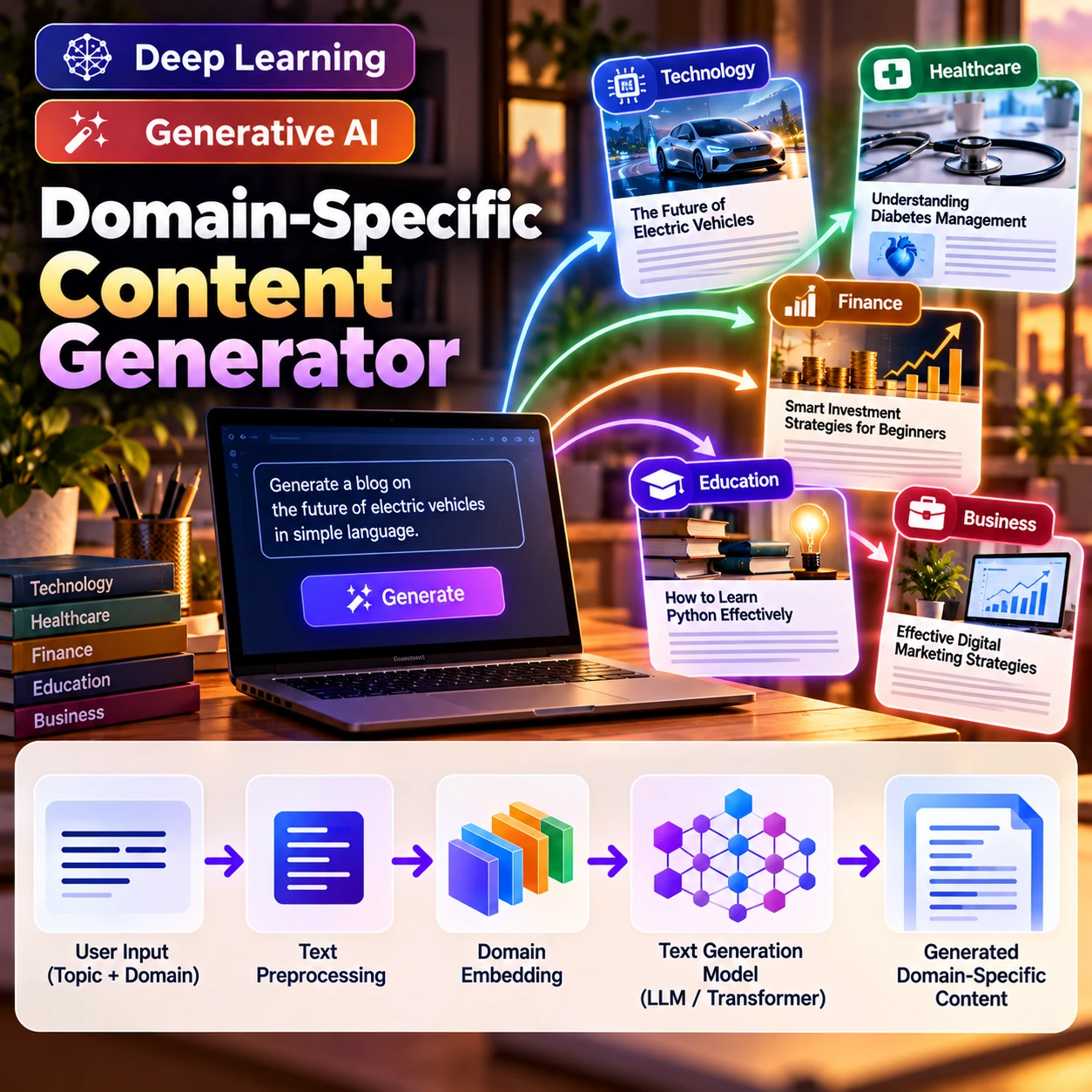
The Domain-Specific Content Generator is a Generative AI application designed to create relevant and customized content for a particular industry or professional domain. The system uses Large Language Models (LLMs), Natural Language Processing (NLP), Retrieval-Augmented Generation (RAG), and Generative AI techniques to generate content based on domain-specific requirements. Users can select a domain such as healthcare, education, finance, technology, legal, marketing, or business and provide a topic or prompt. The system uses relevant domain knowledge and user instructions to generate structured, accurate, and context-aware content. The application can be used for reports, articles, educational materials, summaries, product descriptions, professional documents, and other domain-specific content.

2. Objectives

  1. To generate content specifically tailored to a selected domain.
  2. To use Generative AI and LLMs for automated content creation.
  3. To understand domain-specific terminology and context.
  4. To generate relevant and structured content from user prompts.
  5. To reduce the time required for creating professional content.
  6. To support multiple industries and professional domains.
  7. To improve content relevance using domain-specific knowledge.
  8. To provide customizable content length, tone, and format.
  9. To integrate domain-specific documents or knowledge bases when required.
  10. To provide an easy-to-use AI content-generation interface.

3. Existing System

Traditional domain-specific content creation is generally performed manually by subject-matter experts, writers, researchers, or professional teams. They need to research domain information, understand terminology, organize content, and prepare the final document.

General-purpose AI writing tools can generate content, but they may not always understand specialized terminology, domain requirements, organizational guidelines, or private knowledge.

Limitations of the Existing System

  1. Manual content creation requires considerable time.
  2. Domain experts may be required for specialized topics.
  3. Research and information collection can be time-consuming.
  4. General-purpose content generators may produce generic responses.
  5. Domain-specific terminology may not always be handled correctly.
  6. Maintaining consistent formatting can require additional effort.
  7. Private organizational knowledge may not be available to general AI models.
  8. Large-scale content generation can require significant human effort.

4. Proposed System

The proposed Domain-Specific Content Generator uses Generative AI and LLMs to create content customized for a selected domain.

The basic workflow is:

Domain Selection → User Prompt → Domain Knowledge Retrieval → Prompt Processing → LLM → Content Generation → Validation → Final Output

The system can support domains such as:

  1. Healthcare
  2. Education
  3. Finance
  4. Banking
  5. Legal
  6. Marketing
  7. Technology
  8. Human Resources
  9. E-commerce
  10. Business

A RAG-based architecture can optionally be used to retrieve relevant information from domain-specific documents before generating the response.

Possible technologies include:

  1. Large Language Models (LLMs)
  2. Transformer models
  3. Retrieval-Augmented Generation (RAG)
  4. Vector databases
  5. Embedding models
  6. Prompt engineering
  7. Domain-specific knowledge bases

The generated content can be customized according to tone, length, format, audience, and domain requirements.

5. Implementation Procedure

Step 1: Define the Target Domain

Select the domain for which the system will generate content.

Example:

Domain: Healthcare

Topic: Diabetes Awareness

Content Type: Educational Article

Step 2: Prepare Domain Knowledge

Collect relevant domain-specific information from approved sources, documents, PDFs, knowledge bases, or organizational content where applicable.

Step 3: Document Processing

For a RAG-based system:

  1. Extract text from documents.
  2. Clean and preprocess the content.
  3. Divide documents into smaller chunks.
  4. Generate embeddings for each chunk.
  5. Store embeddings in a vector database.

Step 4: User Input

Allow users to provide:

  1. Domain
  2. Topic
  3. Content type
  4. Keywords
  5. Target audience
  6. Desired length
  7. Writing tone
  8. Output format

Step 5: Knowledge Retrieval

When RAG is used, the system searches the domain knowledge base for information relevant to the user's prompt.

Step 6: Prompt Construction

Combine the user request and retrieved domain-specific context into a structured prompt.

Step 7: Content Generation

Send the prepared prompt to the selected LLM to generate domain-specific content.

Step 8: Content Validation

Check the generated output for:

  1. Relevance
  2. Coherence
  3. Formatting
  4. Domain terminology
  5. Completeness
  6. Potential unsupported claims

For high-stakes domains such as healthcare or legal applications, human review and authoritative-source verification remain important.

Step 9: Content Formatting

Format the generated content according to the selected output type, such as:

  1. Article
  2. Report
  3. Summary
  4. FAQ
  5. Description
  6. Study material
  7. Professional document

Step 10: Application Development

Develop the interface using Streamlit, React, Flask, or FastAPI.

Step 11: Result Display

Display the generated content and provide options such as:

  1. Edit
  2. Regenerate
  3. Copy
  4. Download
  5. Change tone
  6. Change length
  7. Generate another version

6. Software Requirements

RequirementTechnology
Programming LanguagePython
Development EnvironmentVS Code / Jupyter / Google Colab
AI TechnologyGenerative AI / LLM
NLPTransformers / NLTK / spaCy
LLM FrameworkHugging Face Transformers / PyTorch
RAGLangChain / LlamaIndex
EmbeddingsSentence Transformers / Compatible Embedding Models
Vector DatabaseFAISS / ChromaDB / Pinecone
Data ProcessingPandas / NumPy
Document ProcessingPyPDF / python-docx
Web InterfaceStreamlit / Flask / FastAPI / React
DatabaseSQLite / MongoDB (Optional)
BrowserGoogle Chrome / Microsoft Edge
Operating SystemWindows / Linux / macOS

7. Hardware Requirements

  1. Processor: Intel Core i5 or equivalent
  2. RAM: Minimum 8 GB
  3. Recommended RAM: 16 GB or higher
  4. Storage: Minimum 20 GB free space
  5. GPU: Optional for API-based LLMs; recommended for locally hosted models
  6. Display: 1366 × 768 or higher
  7. Keyboard and Mouse: Required
  8. Internet: Required for cloud-based LLM APIs and model downloads
  9. Cloud GPU: Google Colab or other GPU platforms can be used for local model experimentation.

8. Advantages of the Project

  1. Generates content tailored to specific domains.
  2. Reduces manual content-creation time.
  3. Supports multiple professional industries.
  4. Improves relevance through domain-specific knowledge.
  5. Can use private organizational documents with appropriate access controls.
  6. Supports RAG-based knowledge retrieval.
  7. Provides customizable content length and writing style.
  8. Generates multiple content formats.
  9. Helps automate repetitive documentation tasks.
  10. Supports professional and educational content creation.
  11. Can integrate different LLMs and AI models.
  12. Provides a scalable Generative AI solution.


No review given yet!

Fast Delivery all across the country
Safe Payment
7 Days Return Policy
100% Authentic Products

You may also like

View all

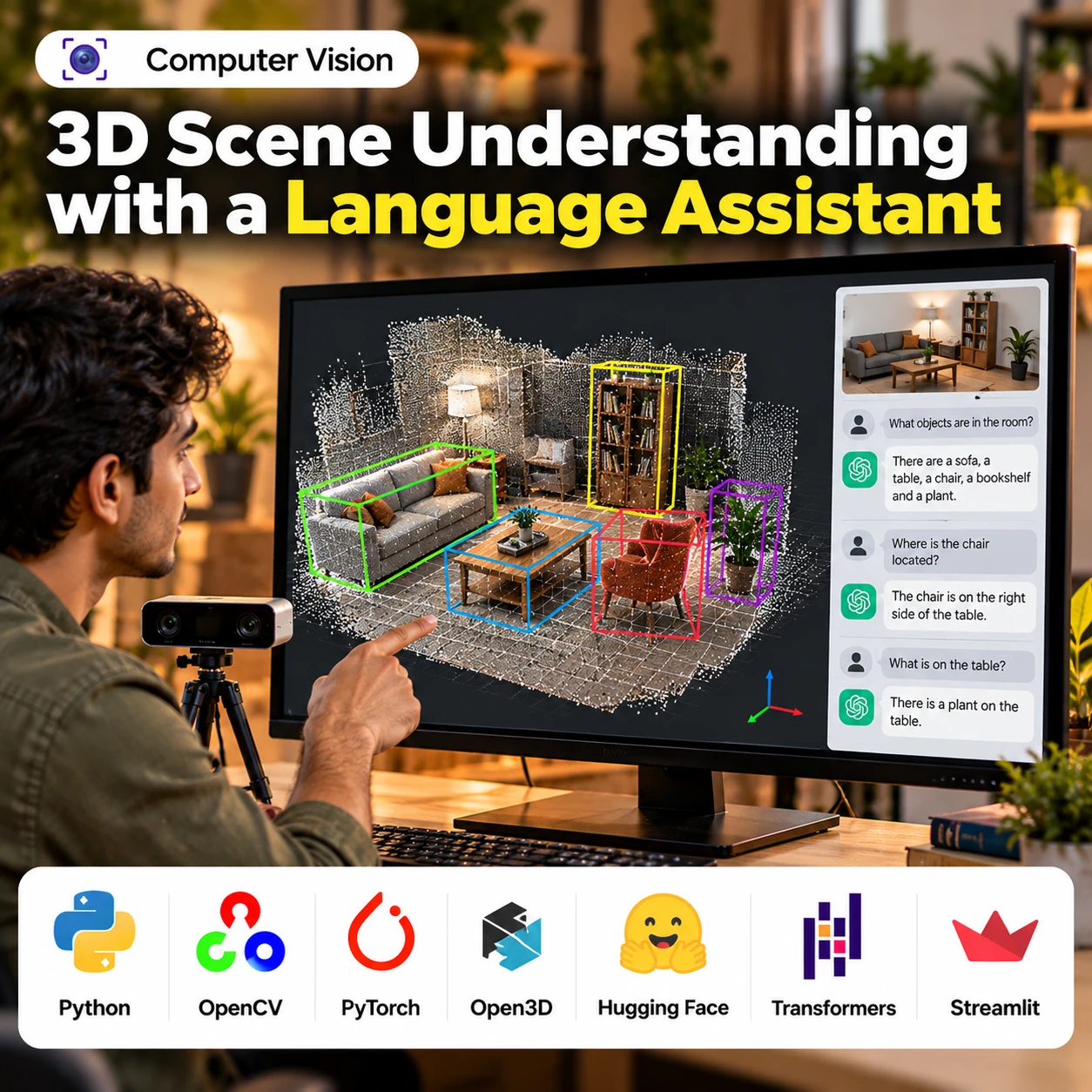
3D Scene Understanding with a Language Assistant

₹4,999.00

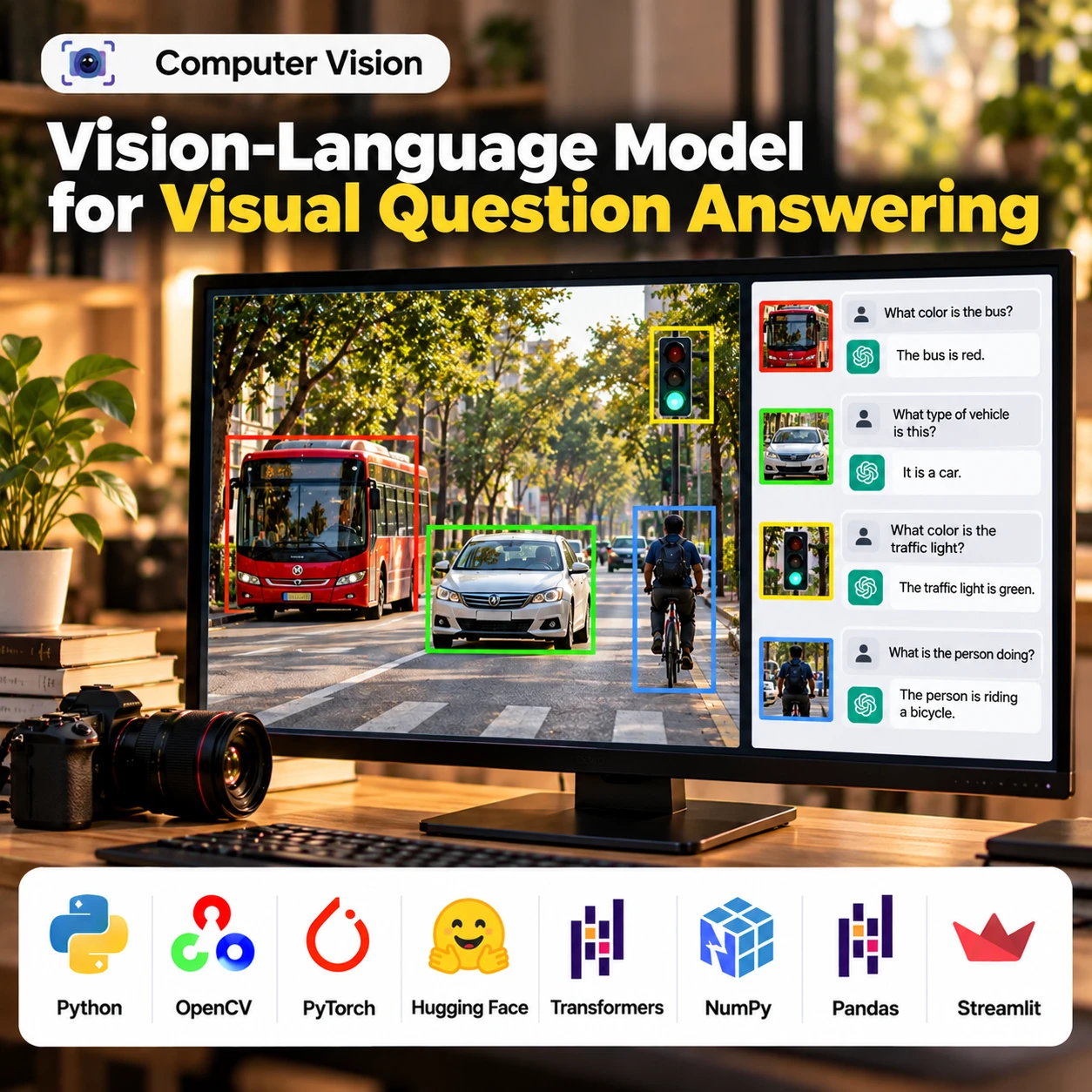
Vision-Language Model for Visual Question Answering

₹4,999.00

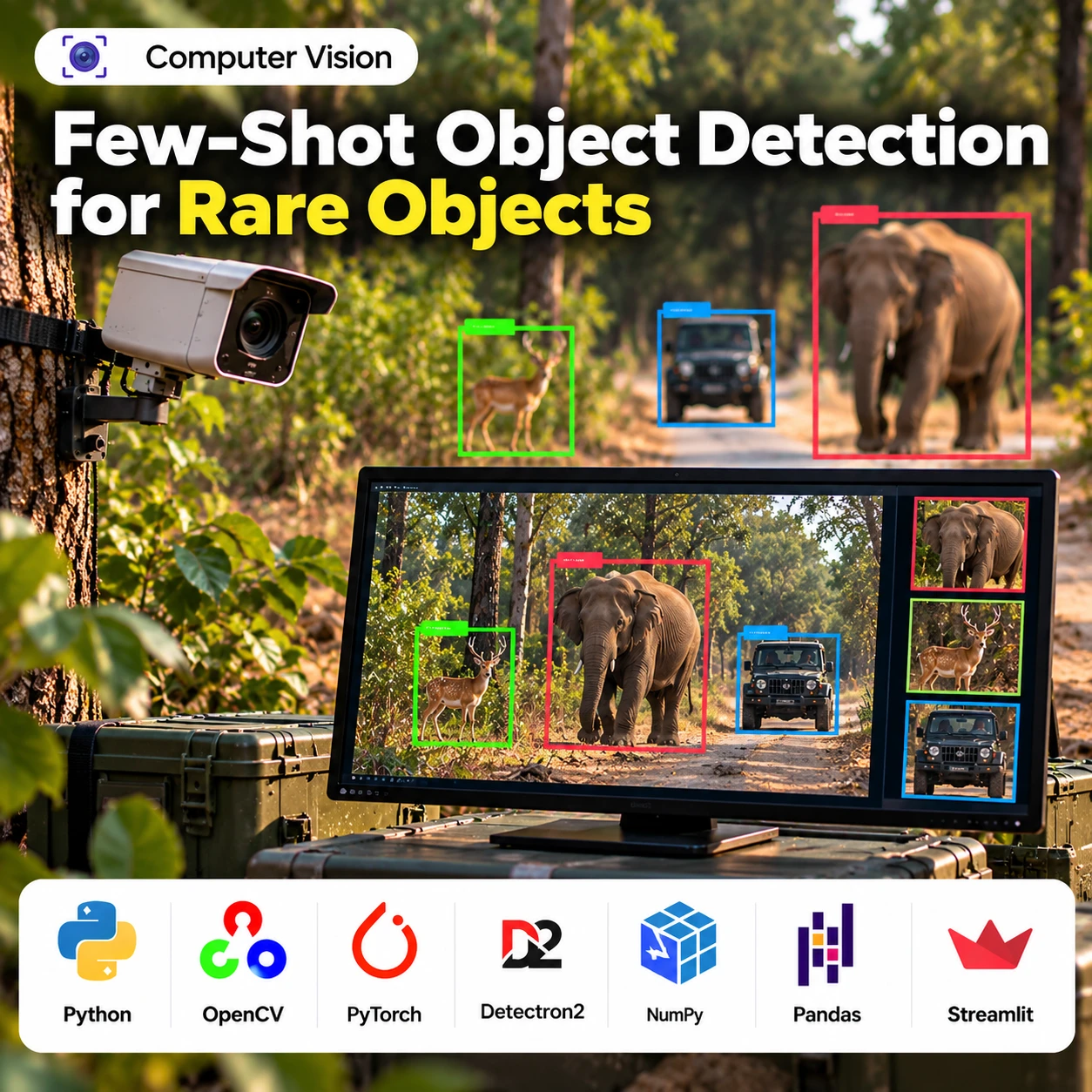
Few-Shot Object Detection for Rare Objects

₹4,999.00

Low-Light Image Enhancement for Surveillance

₹4,999.00

Vision Transformer-Based Deepfake Detection

₹4,999.00

Domain-Specific Content Generator
₹4,999.00 ₹0.00
₹4,999.00
4999